


AC EV Chargers
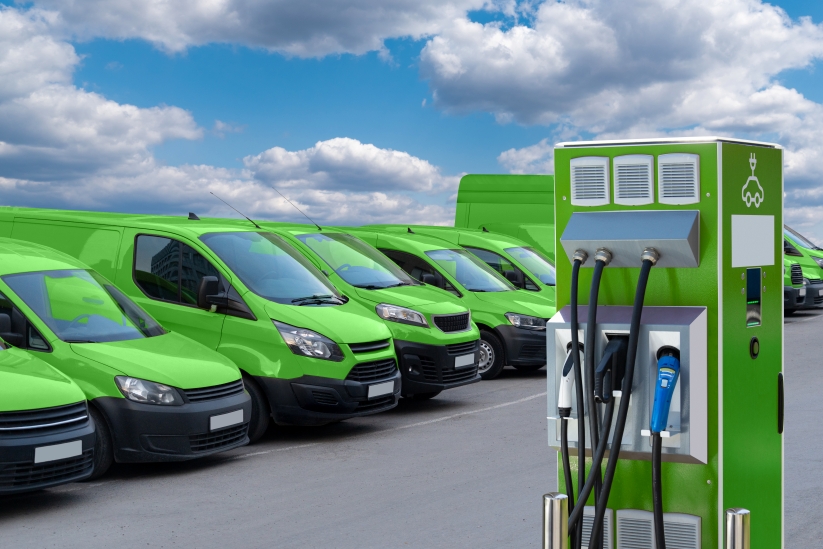
In DC Charging, the EV charger converts the AC power to DC and the DC power is sent directly to the EV battery bypassing the onboard battery charger. This allows the DC Charger to charge the EV battery directly. DC Charging is limited by the rating of the charging equipment and the amount of power available from the utility or other primary power sources.
Fast Charging chargers are mainly for commercial use or fleet operations due to cost and higher capacity charging. There is also a limit on the amount of power an EV battery can accept, which affect the speed of fast charging.
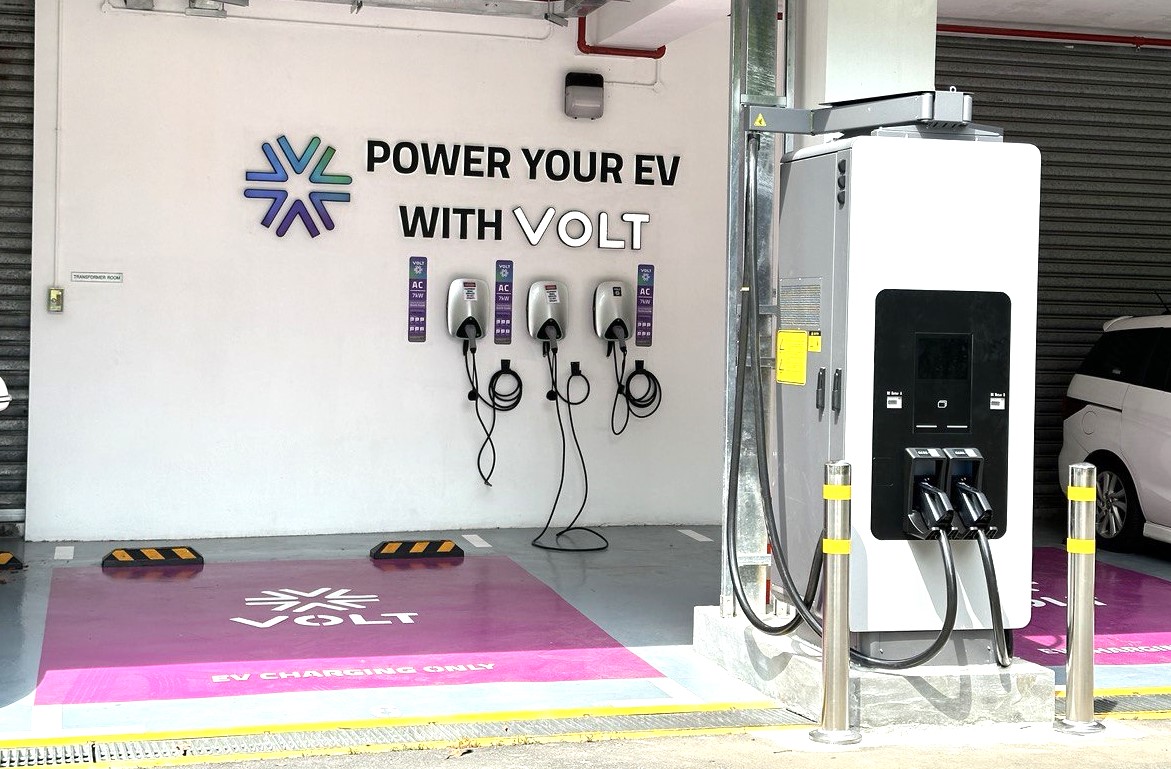
DC Fast EV Chargers
In DC Charging, the EV charger converts the AC power to DC and the DC power is sent directly to the EV battery bypassing the onboard battery charger. This allows the DC Charger to charge the EV battery directly. DC Charging is limited by the rating of the charging equipment and the amount of power available from the utility or other primary power sources.
Fast Charging chargers are mainly for commercial use or fleet operations due to cost and higher capacity charging. There is also a limit on the amount of power an EV battery can accept, which affect the speed of fast charging.
EV Charging System – Maintenance
In DC Charging, the EV charger converts the AC power to DC and the DC power is sent directly to the EV battery bypassing the onboard battery charger. This allows the DC Charger to charge the EV battery directly. DC Charging is limited by the rating of the charging equipment and the amount of power available from the utility or other primary power sources.
Fast Charging chargers are mainly for commercial use or fleet operations due to cost and higher capacity charging. There is also a limit on the amount of power an EV battery can accept, which affect the speed of fast charging.